
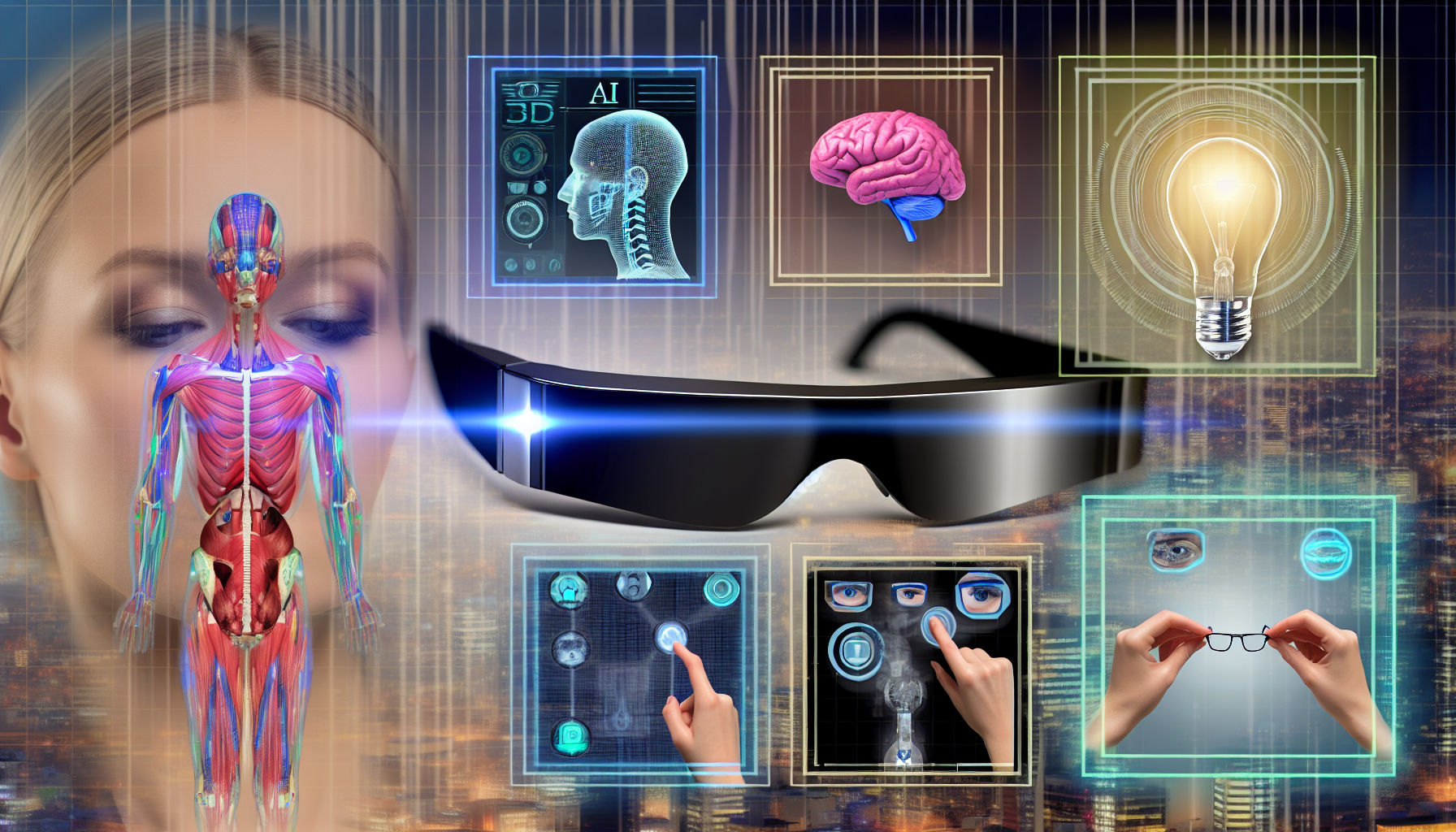
При рассмотрении инвестиций в технологии или внедрении передовых продуктов целесообразно соблюдать не только непосредственные функции, но и экосистему и поддерживающие технологии. Технология ИИ-очков, в настоящее время переживающая бурный рост, прекрасно воплощает этот принцип. Движимые крупномасштабными достижениями модели ИИ, эти интеллектуальные носимые устройства перешли от нишевых гаджетов к становлению основной потребительской электроникой. IDC прогнозирует, что глобальные поставки «умных» очков к 2025 году составят 12,05 млн единиц, что составит 18,3% роста в годовом исчислении. Только интеллектуальные очки, интегрированные в аудио и камеры, увидят беспрецедентный рост, что свидетельствует о значительном сдвиге спроса пользователей от исследования новизны к практическим и повседневным сценариям использования. Взаимодействия на основе ИИ, виртуальные наложения, переводы в режиме реального времени, мониторинг состояния здоровья и бесшовные коммуникации становятся основополагающими стандартами в новых моделях благодаря улучшенному оборудованию, такому как дисплеи MicroLED и дифракционная волноводная оптика, которые решают предыдущие отраслевые проблемы, такие как радужные артефакты и громоздкие форм-факторы.
Эти умные очки иллюстрируют сближение значительных технических улучшений, ожиданий потребителей в отношении интегрированного опыта и перехода отрасли к интеллектуальным экосистемам. Крупные технологические гиганты, традиционные производители очков и даже телекоммуникационные компании, такие как China Telecom, China Mobile и China Unicom, активно выходят на этот рынок и быстро формируют его в согласованную экосистему. Приложения для умных очков больше не ограничиваются фотографией или ограниченной функцией; вместо этого они все чаще выполняют критически важные роли в здравоохранении, промышленной поддержке, навигации для слабовидящих, образовании и досуге. Тем не менее, проблемы остаются заметными. Технические препятствия, такие как ограничения оптического дисплея, нехватка времени автономной работы, точность отображения SLAM и энергоэффективное развертывание чипов, продолжают ограничивать улучшения пользовательского опыта. Проблемы конфиденциальности, связанные с непрерывным сбором данных с помощью интегрированных камер и микрофонов, также подчеркивают критическую необходимость в улучшенных решениях по безопасности данных и нормативно-правовой базе. Кроме того, отсутствие общепринятых технических стандартов препятствует совместимости различных брендов и устройств, способствуя ненужной фрагментации и сложности рынка. Решение этих проблем с помощью совместных усилий по стандартизации, отраслевых альянсов, технологических прорывов в системах батарей, чипов с низким энергопотреблением, биометрических взаимодействий и усовершенствованных моделей ИИ являются важными шагами вперед. Будущая эволюция носимых очков ИИ может даже увидеть, что эти продукты служат основными аппаратными интерфейсами человека, напрямую взаимодействуя с зрительными нервами человека, устанавливая быстрые, отзывчивые взаимодействия «то, что вы видите, то, что вы получаете». К 2025 году мы станем свидетелями начала такой трансформирующей эры, когда очки ИИ эффективно преобразуют наш повседневный опыт в расширенные интеллектуальные взаимодействия, навсегда изменяя то, как люди видят и интерпретируют свой мир.