
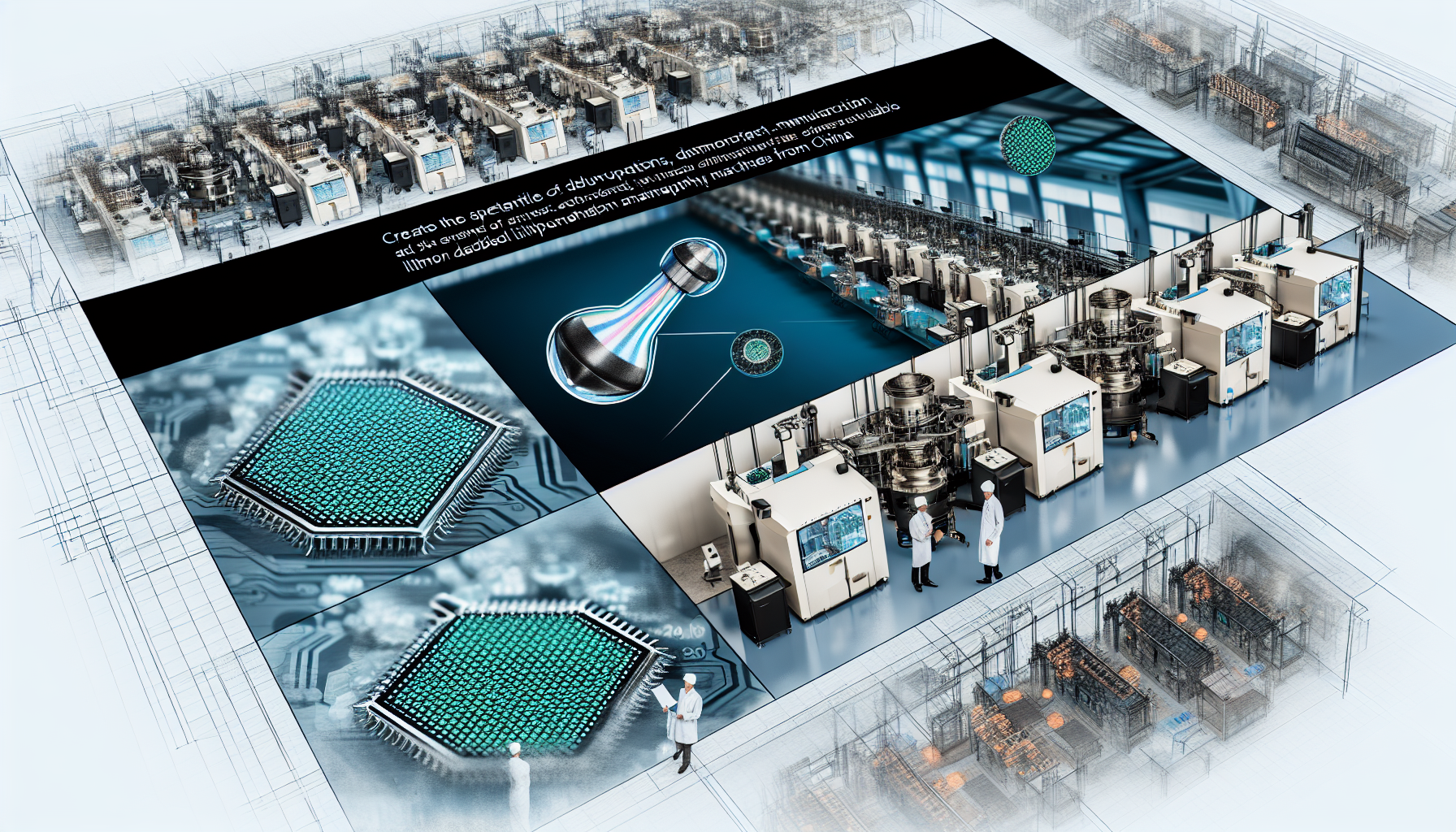
Для предприятий, ищущих новые возможности в полупроводниковой промышленности, рост производства 28-нм литографических машин в Китае дает значительный шанс извлечь выгоду из доступных передовых технологий. Поскольку доминирование ASML оспаривается достижениями Китая, компании по всему миру теперь могут получить доступ к высококачественному производству микрочипов без значительных инвестиций, обычно необходимых для экстремальных ультрафиолетовых (EUV) машин ASML. Более низкая стоимость этих китайских машин открывает двери для более широкого круга компаний, особенно тех, которые ранее были оценены из-за непомерных затрат на традиционное литографическое оборудование.
В основе успеха Китая лежат годы значительных инвестиций в полупроводниковые исследования и разработки. Поскольку 28-нм машины представляют собой лишь часть более широкой стратегии, эти машины уже вызывают значительные сбои на мировом рынке. Используя глубокую ультрафиолетовую литографию, китайская технология может производить микрочипы с плотностью до 200 миллионов транзисторов на квадратный см, что сопоставимо с машинами ASML. Тем не менее, основное различие заключается в стоимости — машины Китая намного дешевле, от 20 до 50 миллионов долларов, по сравнению с машинами ASML стоимостью более 100 миллионов долларов. Эта экономически эффективная технология уже заставляет ASML, Nikon и Canon чувствовать давление, поскольку их рыночные доли разрушаются перед лицом конкуренции.
Акцент Китая на самодостаточность в производстве полупроводников привел к таким прорывам, как полностью отечественный 28-нм процесс, разработанный китайским производителем чипов SMIC. Это достижение устраняет зависимость от иностранных технологий, что еще больше укрепляет позиции Китая на рынке. Влияние этих разработок огромно, поскольку это означает сдвиг в динамике мощности в полупроводниковой промышленности. С продолжающимся продвижением к технологиям 7 нм и 5 нм роль Китая в формировании будущего производства литографии и микрочипов будет только укрепляться, бросая вызов давним лидерам отрасли адаптироваться или рискуя отстать.